What does it really mean when we describe people as “hard to reach”? And who, in reality, is doing the reaching?
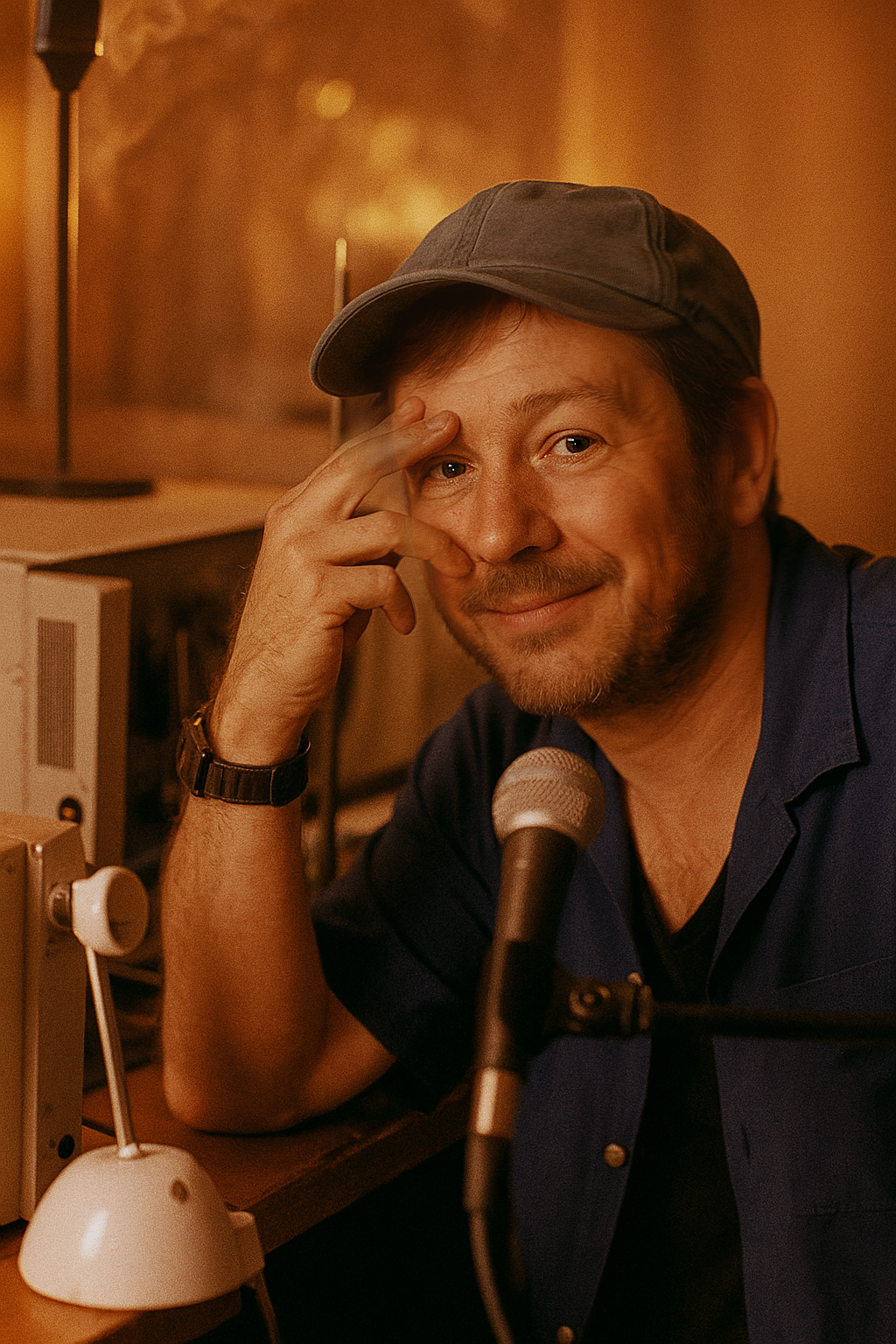
In this blog, Knowledge Mobilisation Fellow John Stammers reflects on his work alongside people affected by homelessness, addiction and mental health challenges. Through his experiences in Exeter, he offers a candid and thought-provoking perspective on how systems understand, and often misunderstand, the people they are trying to support.
Rather than focusing on distance, John draws attention to something more complex: the conditions that make it difficult for people to be heard safely. His reflections challenge us to think differently about engagement, trust, and the responsibilities of research and services when working with lived experience.
At PenARC, the Knowledge Mobilisation Fellowship creates space for this kind of thinking, grounded in practice, shaped by relationships, and open about the realities of working within and alongside complex systems.
This blog marks the beginning of a series of fellow-led pieces we’ll be sharing over time. By opening up these reflections, we hope to create more opportunities for fellows to share their insights, spark discussion, and contribute to a deeper understanding of how knowledge moves – and how it can be mobilised more thoughtfully in the future.
Hard to Reach? They’re Right Over There…
Hi, I’m John, and I’m one of PenARC’s Knowledge Mobilisation Fellows, which means I’m working to help the lived experience of people affected by homelessness, addiction and mental health challenges to shape the systems meant to support them. The Fellowship gives me the time, training and backing to make that happen.
This is a role I applied for because I wanted to understand better how lived experience knowledge actually moves (or doesn’t move) through systems. I had imagined lots of reading, a few structured meetings, maybe some tidy strategies about ‘bridging gaps’…
It hasn’t quite been like that.
In lived experience research, there’s a long-running joke about “hard to reach” people.
Academics love this phrase. Commissioners love it. It’s a staple of funding calls. And for years, I would quietly laugh, because in my world these supposedly hard to reach people are often… well, just over there…
You’ll find them outside CoLab or St Sid’s, or in the doorway of a car park, or living in a tent by the quay. They might be chaotic, or wired, or wary. They might be a bit scary if you only meet them through headlines on Devon Live. But they are right there. Not on a distant island. Not hiding in a cave system (well, maybe the underground passages sometimes..) You just have to walk towards them. And smile. That’s what I’ve been doing for many moons – walking towards the people whose lives and knowledge tend to be stepped around.
But recently, in work we’ve been doing with Devon County Council’s Public Health team around drug and alcohol related deaths and harm reduction, I’ve encountered something different – something that made me rethink the “hard to reach” joke entirely.
Because there are people out there who are truly hidden. Not geographically. Emotionally. Legally. Socially.
These are people who know, in intimate detail, what is happening inside Exeter’s drug scene: Who’s using what. What’s changed. Where the dangers are. Why we’ve seen such heartbreaking deaths in recent years. They know things that could save lives, including their own.
But they will not, or cannot, come forward. Not because they don’t care. They care deeply. Really deeply. Some of them knew the people who died. Some of them know why they died, and what could have saved them. Some of them still light candles or carry the names.
But they live in what the rest of society labels the ‘dark world’ – a world where illegal things happen and where speaking up can make you a target. They worry that telling their truth might get someone arrested, or get themselves noticed, or draw heat into places where heat is dangerous.
So they stay quiet. And their knowledge stays hidden. And the system loses some of the most important intelligence it could possibly have. This has changed how I think about research, because sometimes people aren’t ‘hard to reach’ at all. Sometimes they’re easy to find but hard to safely listen to. And that distinction matters. It means we have to design engagement differently. We have to build trust differently. We have to understand fear not as a barrier to participation, but as data in its own right. And we have to rethink what ‘involvement’ looks like for people whose lives are already under threat – from drugs, from violence, from stigma, from the law. This isn’t neat, tidy research. But it is necessary research.
This isn’t neat, tidy research. But it is necessary research. Lived experience isn’t something to extract or capture, but something to protect and move carefully through systems that aren’t always built to hold it.
When we get this right, services learn things they couldn’t see from the outside. Public health teams can respond earlier. Harm reduction becomes something shaped with people, not done to them. Knowledge is mobilised, and then maybe, hopefully, fewer candles get lit.