On Friday 27th February 2026, colleagues, public contributors and partners gathered at the Exeter Mercure Southgate Hotel to celebrate five years of PenARC Patient and Public Involvement and Engagement (PPIE) – and to look ahead to what comes next for ARC South West.
The morning was both celebratory and reflective. Over coffee, conversations and interactive activities, there was a strong sense of pride in what has been achieved and a shared commitment to going further.
Starting with partnership
The day got off to a lively start, with attendees invited to reflect on partnership working over coffee and pastries through a series of activities. Many took part in a scavenger hunt, exploring the room to spot signs of spring and track down Stuart and Vashti – prompting informal conversations and new connections.
It set the tone for a morning focused on collaboration and fun.
Reflecting on past PPIE: Research that matters
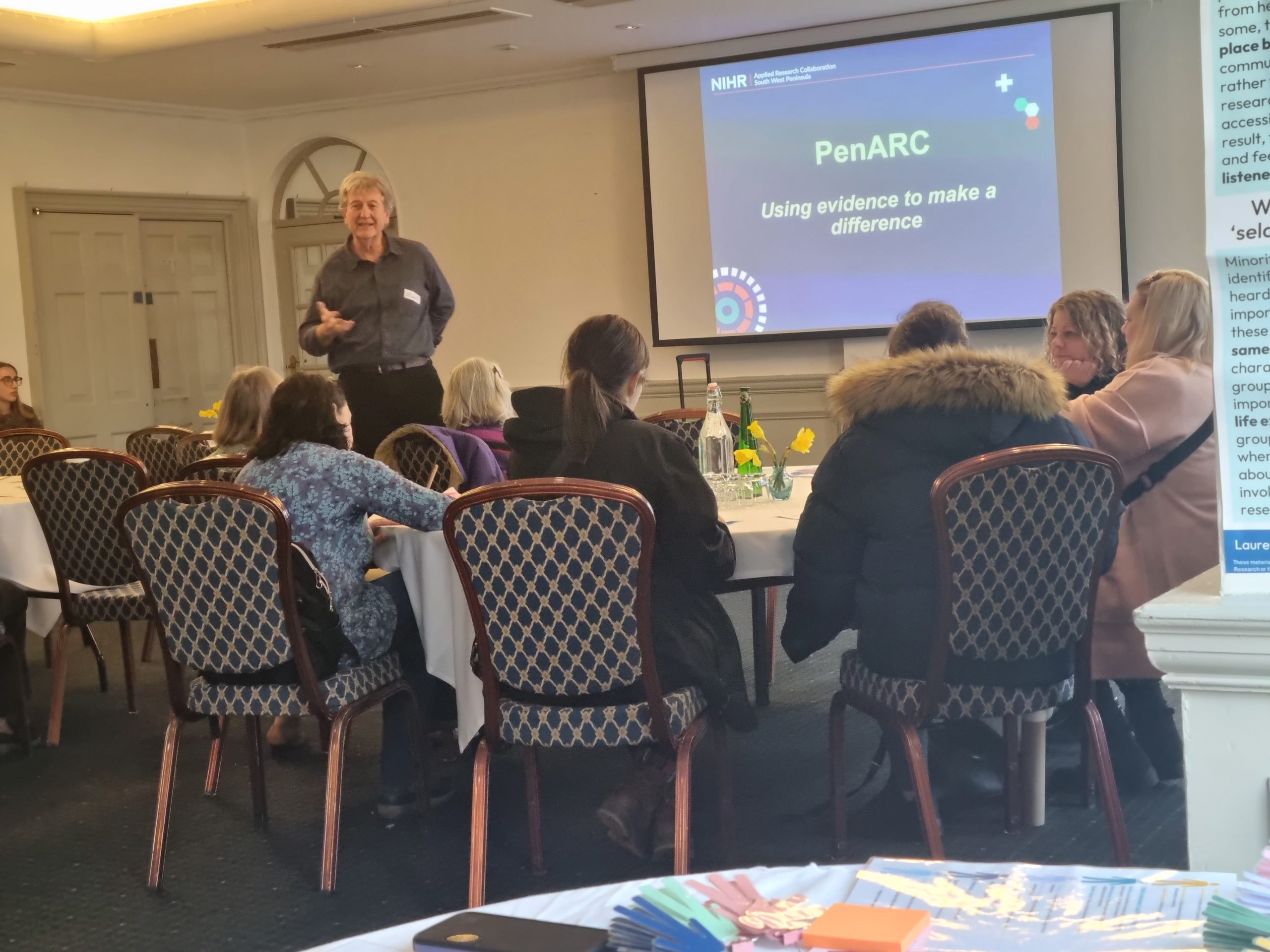
At 10:30, we heard highlights from PenARC Co-Directors Prof Stuart Logan and Prof Vashti Berry.
Stuart reflected on “becoming a researcher by accident” – something he described as one of the best things that ever happened to him. Looking back over 17 years of Collaboration for Leadership in Applied Health Research (CLAHRCs) and ARCs, he spoke about a fundamental challenge across health systems: we are often not very good at using evidence in practice. Too often, research focuses on what researchers find interesting, rather than what matters most in people’s lives.
The creation of NIHR CLAHRCs and later ARCs was about addressing that gap – generating research that matters and ensuring it is implemented.
He shared powerful examples of ARC impact brought about by collaboration, from stroke care modelling to BRUSH, a supervised toothbrushing programme. Both demonstrated how partnership between clinicians, researchers and communities can lead to measurable change in services and outcomes.
Looking ahead: Next phase of the ARC (2026–2031)
Vashti then turned our attention to the future.
PenARC has been funded for a further five years under the new ARC South West partnership, expanding our reach geographically. While the mission remains the same – demonstrable impact on health outcomes through research that changes services – the context is shifting.
Health and social care policy is changing rapidly. There is increased emphasis from funders on measurable impact, scaling innovation and engagement with industry. At the same time, families are struggling to access support, and health inequalities remain stark.
A particularly strong theme was inclusion. It is no longer enough to ask whether participation is diverse. We must consider whether:
- Studies are designed around issues of greatest importance and need
- Interventions are directed at reducing inequalities
- Communities are genuinely invited in and supported to shape research.
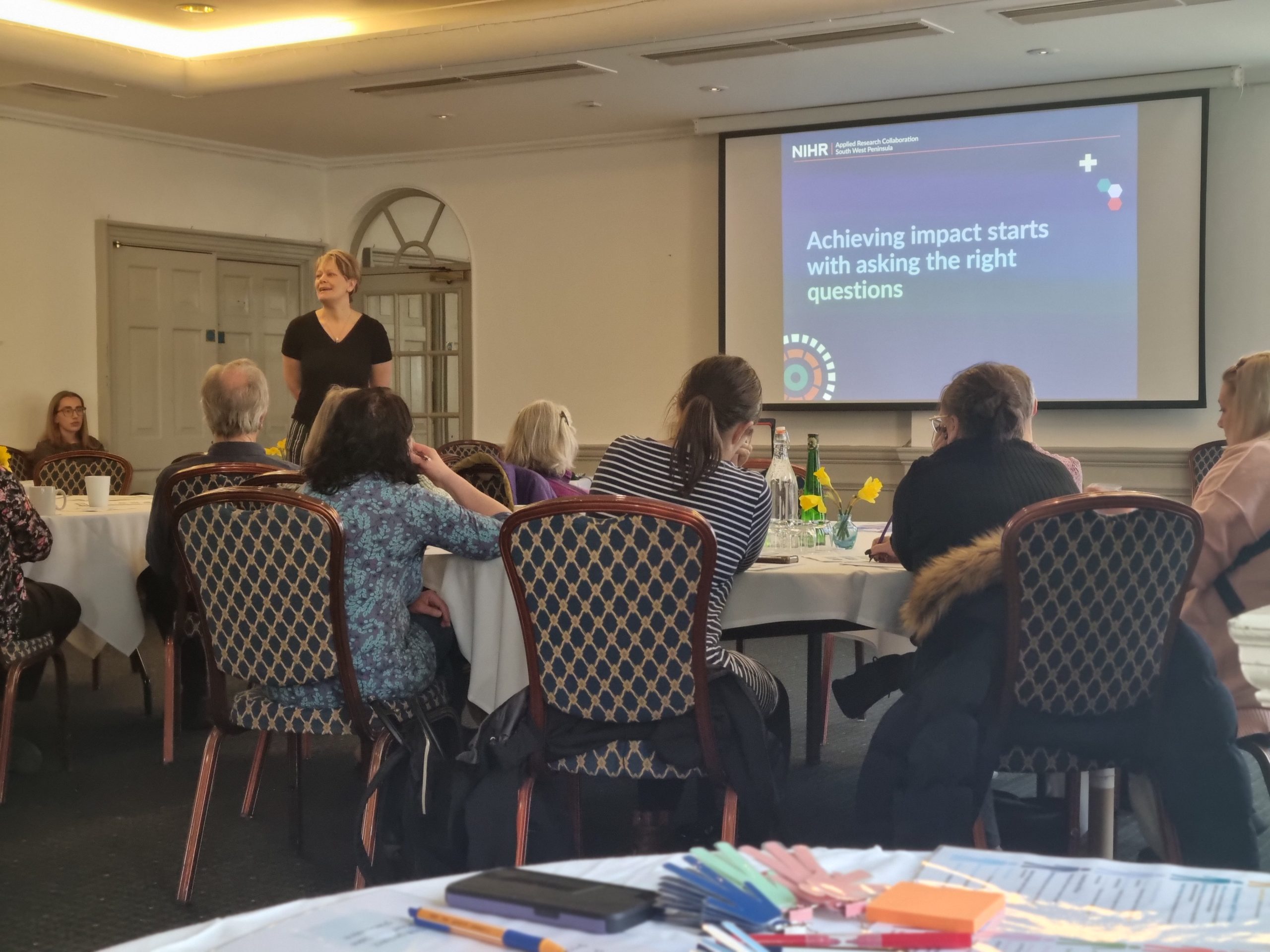
Vashti emphasised that ARC South West’s collaboration with communities and public collaborators to direct our research is set to continue and get stronger, and that we must not be shy about being told when we get things wrong. Impact begins – and continues – with listening.
“Your voice matters”
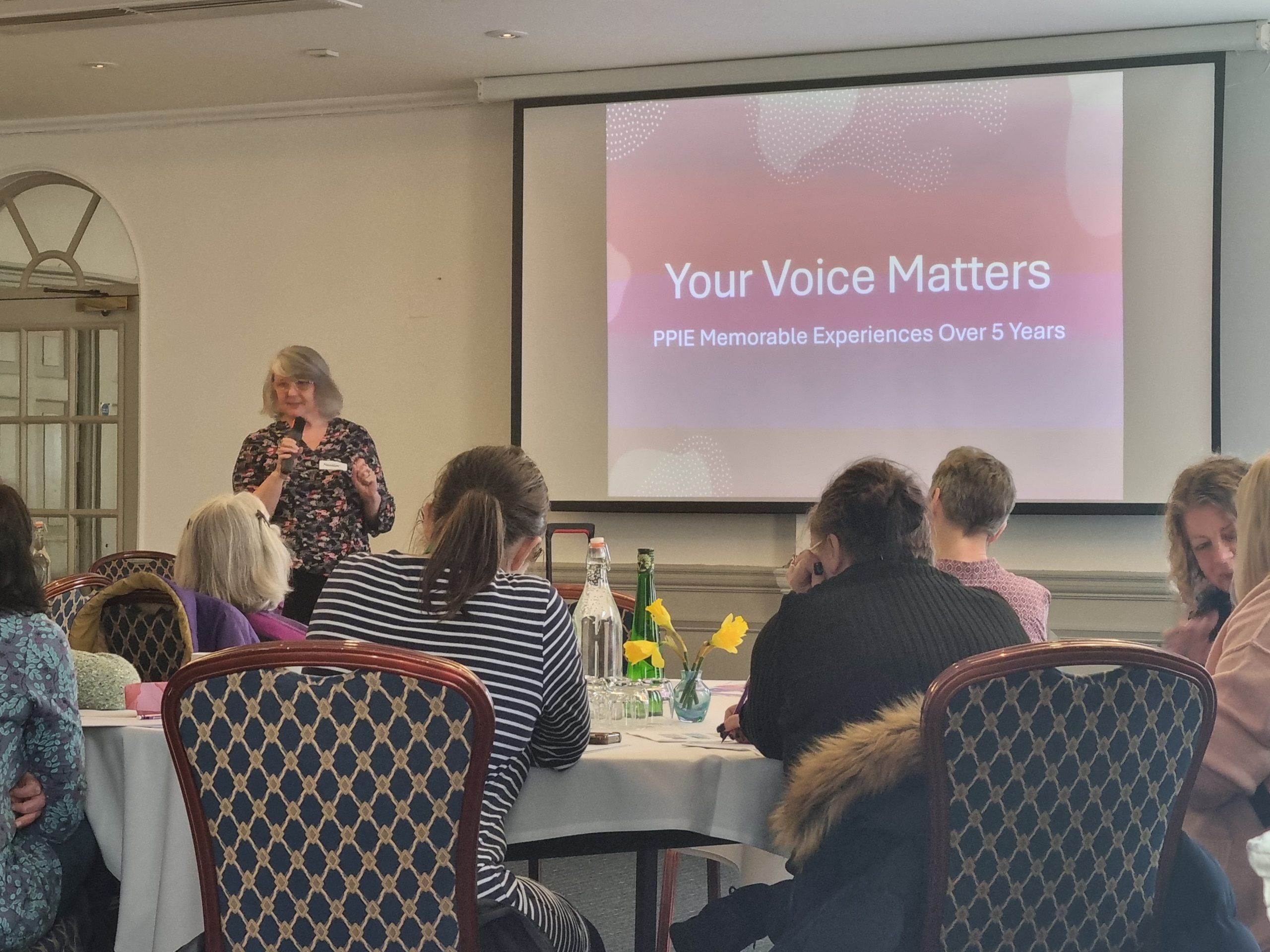
One of the most moving parts of the morning came from Heather Boult, who shared her PPIE journey.
A member of PenPEG for 15 years, Heather spoke about initially thinking she was “just a mum, not a carer” – only to be told that her voice absolutely mattered. She described being terrified to enter university buildings at first, but how welcome she was made to feel.
Over the past five years, she has contributed to projects spanning child and women’s health, dentistry, AI, diagnostic tools and diabetes. She has supported students, nurses, doctors and PhD researchers, helping translate complex research into language that communities can understand and relate to.
Heather also reflected on her own personal development – graduating last year after deciding to pursue a degree, inspired by her involvement in health and care research.
From early PenPIG meetings to the growth of PenPEG, she has seen inclusion and diversity expand. Since COVID-19, remote working has opened new opportunities for engagement beyond university walls, including collaboration with NIHR, the NHS and professional bodies.
Her message for the next phase of the ARC was clear: inspire people to engage and ensure voices are heard across both physical and mental health. And above all, keep asking the right questions.
“It has been wonderful to see how everyone is valued and respected, and it’s given me the confidence to stand here and present today” (Heather Boult)
You can read more about Heather’s PPIE journey in a previous PenARC blog.
Activities: Creating research together
The second half of the morning returned to interactive sessions.
Participants explored:
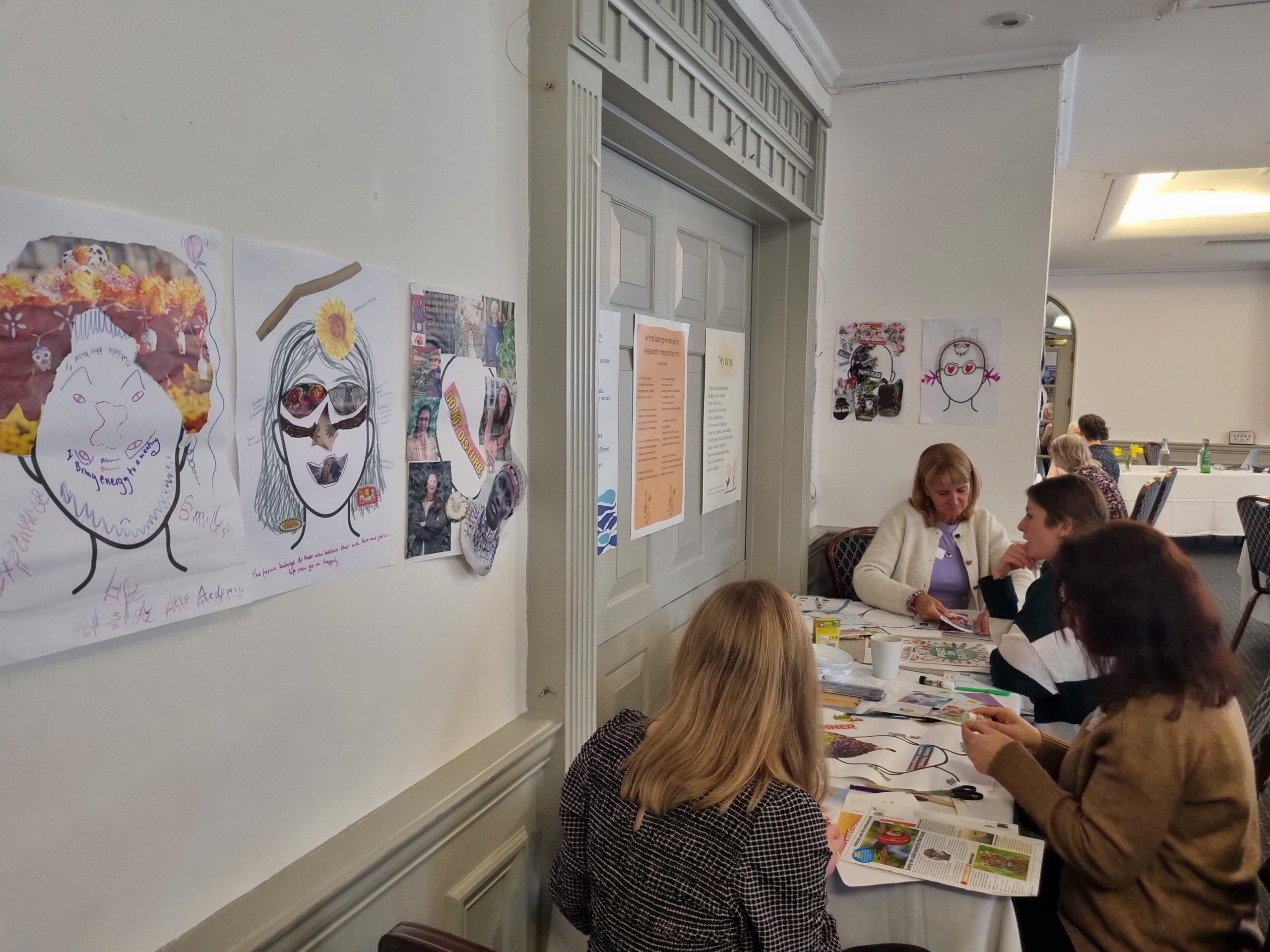
- Creating self-portraits showing what they personally bring to collaboration – their values, lived experience, professional skills, curiosity, empathy and challenge.
- Exploring the development of a single NIHR PPI strategy across the ARC, Biomedical Research Centre (BRC), HealthTech Research Centre (HRC) and Clinical Research Facility (CRF) – discussing inclusion, governance, evaluation and accountability through a facilitated game.
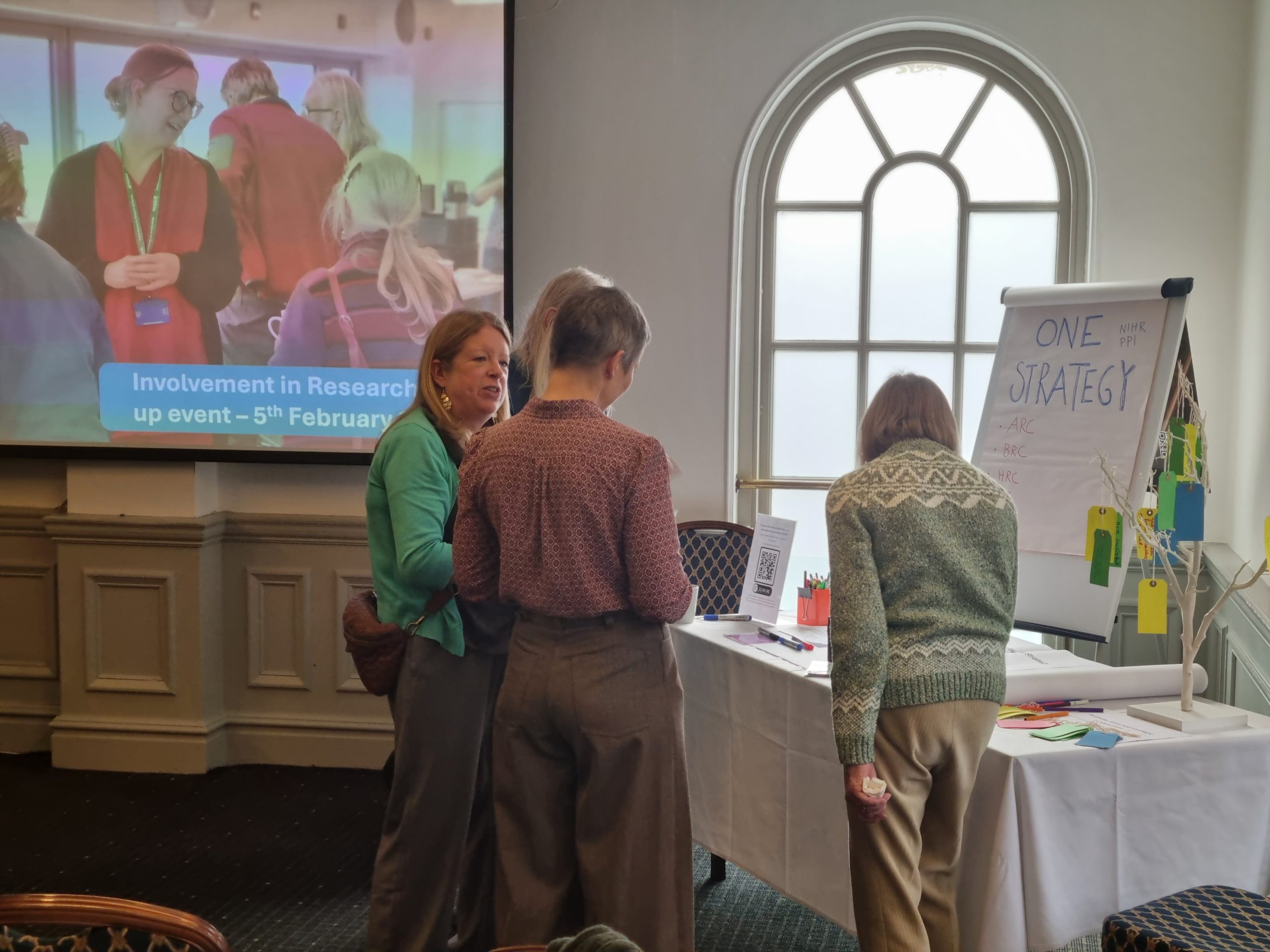
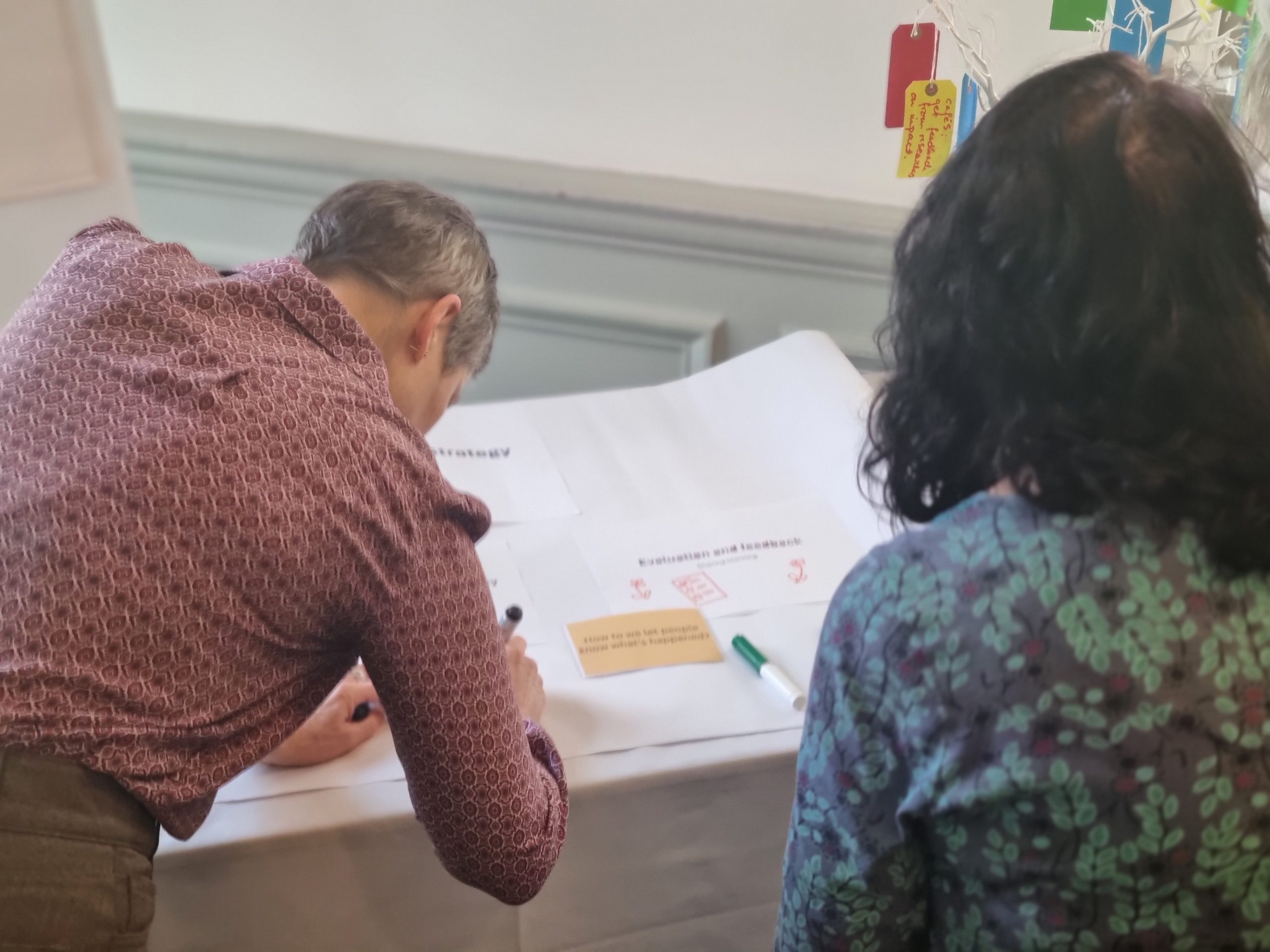
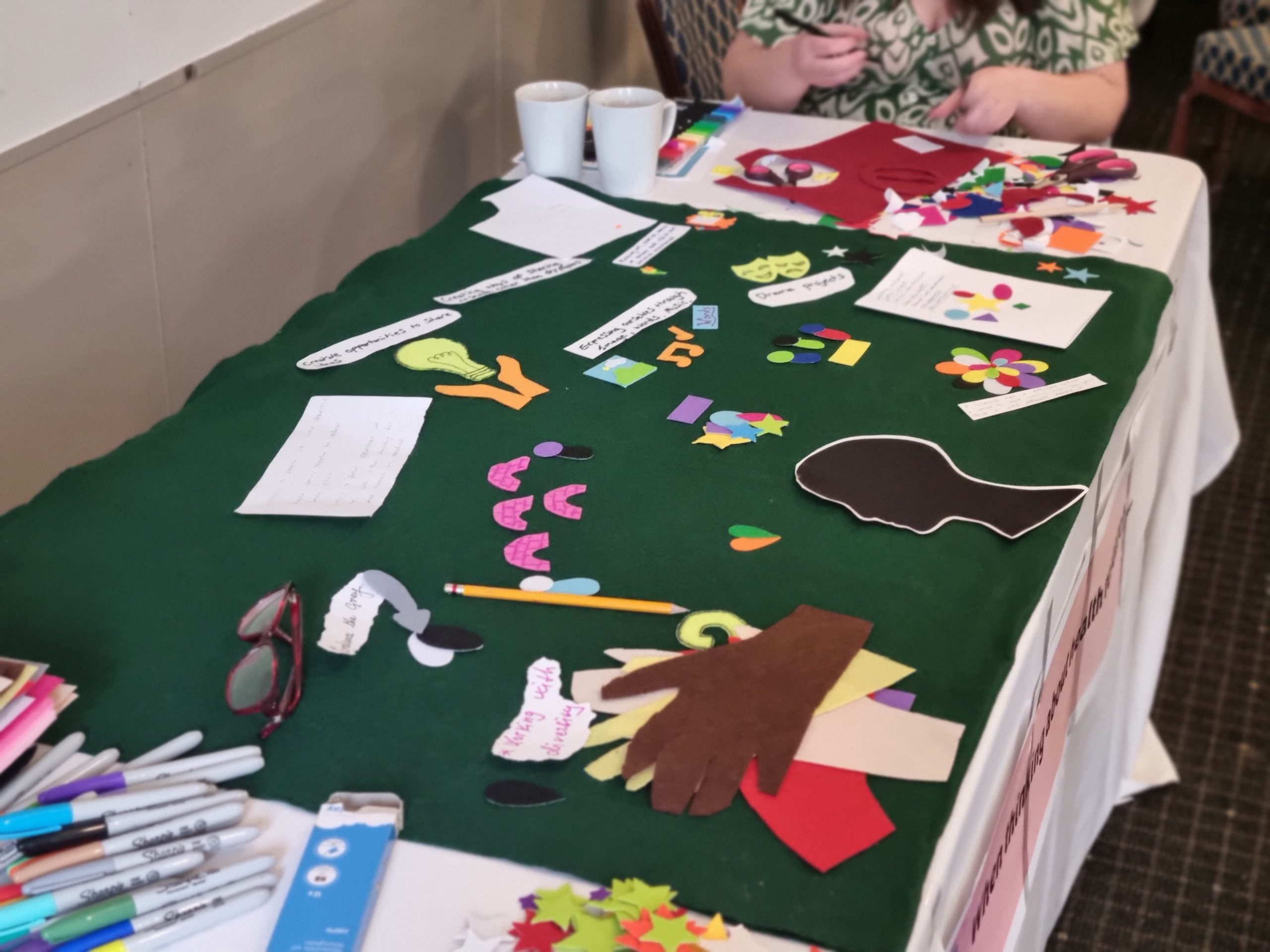
- Responding creatively to big questions such as: How should we decide what to research? And What does imaginative involvement look like? A mindmap was created showcasing attendees’ input.
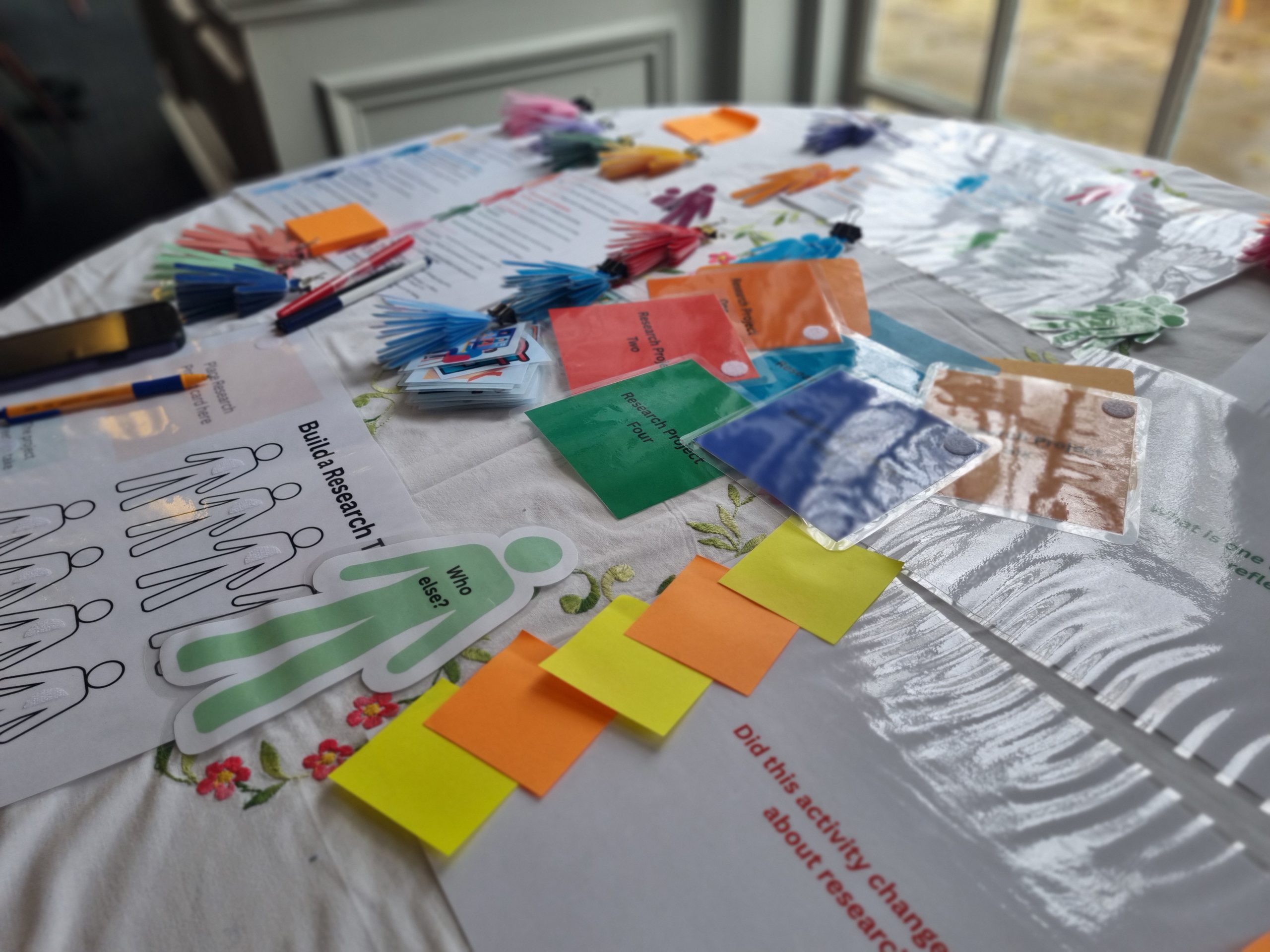
- Building a research team for different projects – recognising the strengths of people with lived experience, carers, healthcare professionals, academics, charities and translators, and thinking about the different things different groups bring to research.
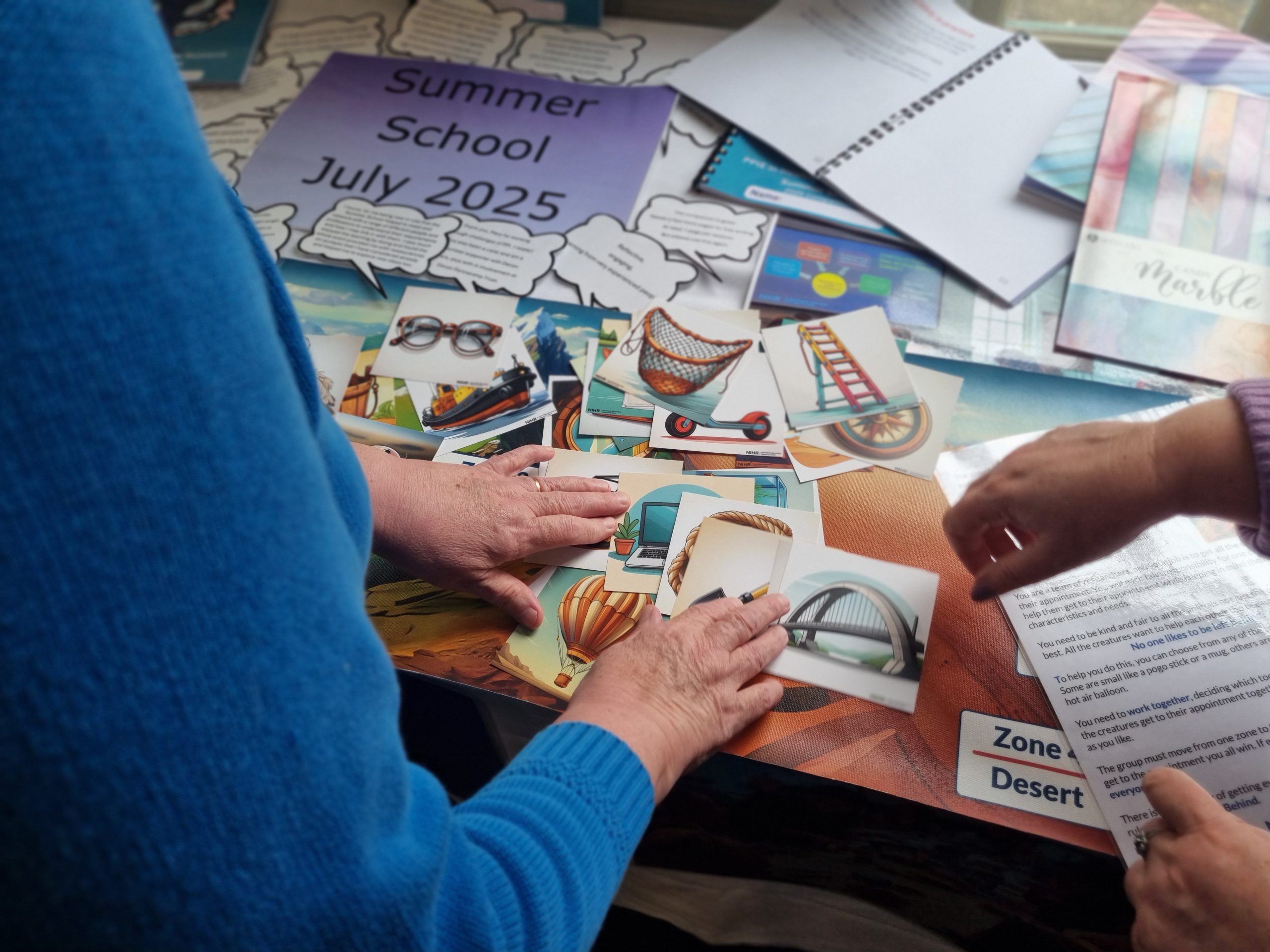
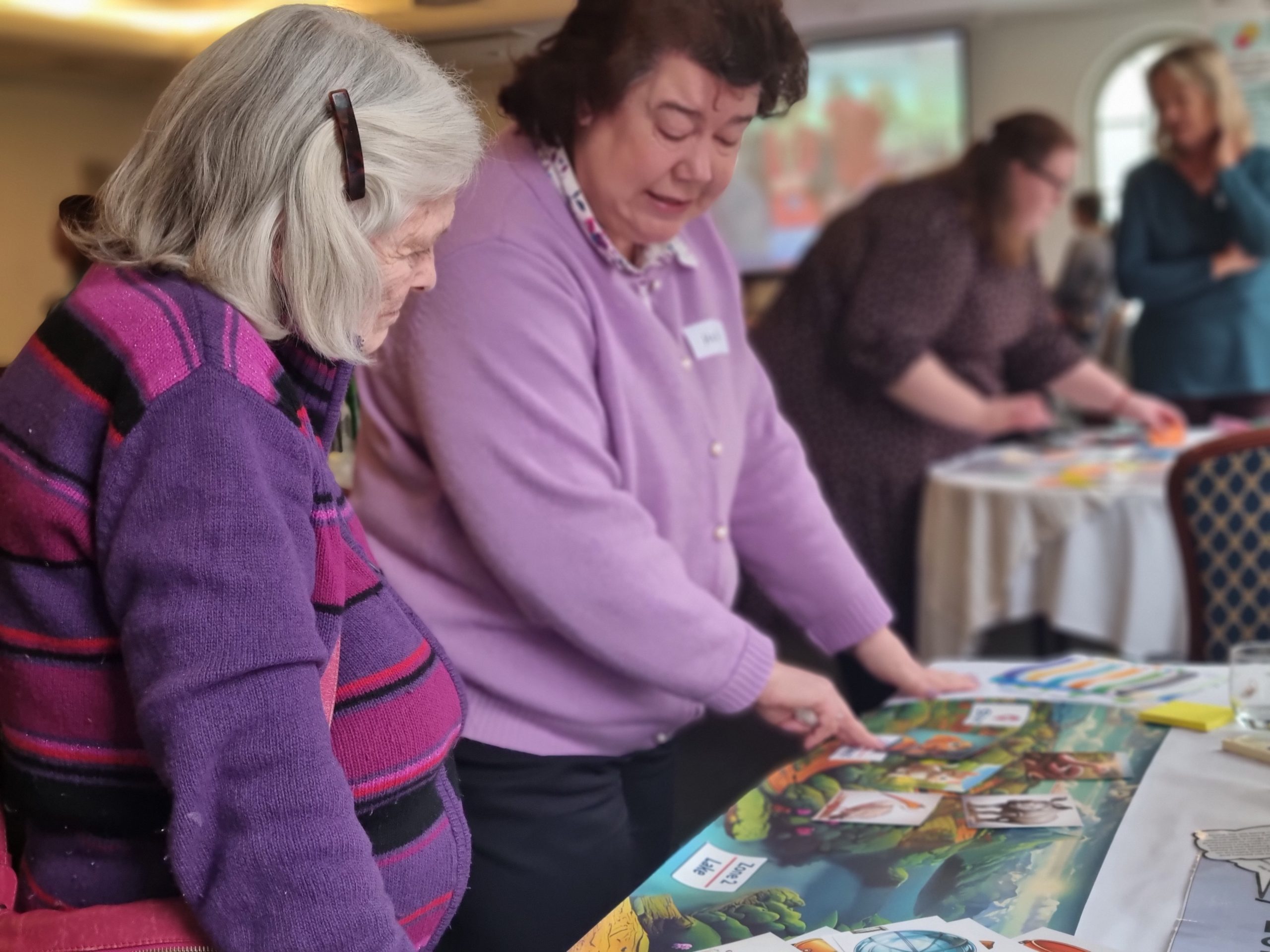
- Taking part in the PPIE Summer School collaboration game, where different “animals” had to work together to navigate challenges, from crossing a river to climbing a mountain– a playful reminder that equitable participation means recognising that different people need different types and levels of support.
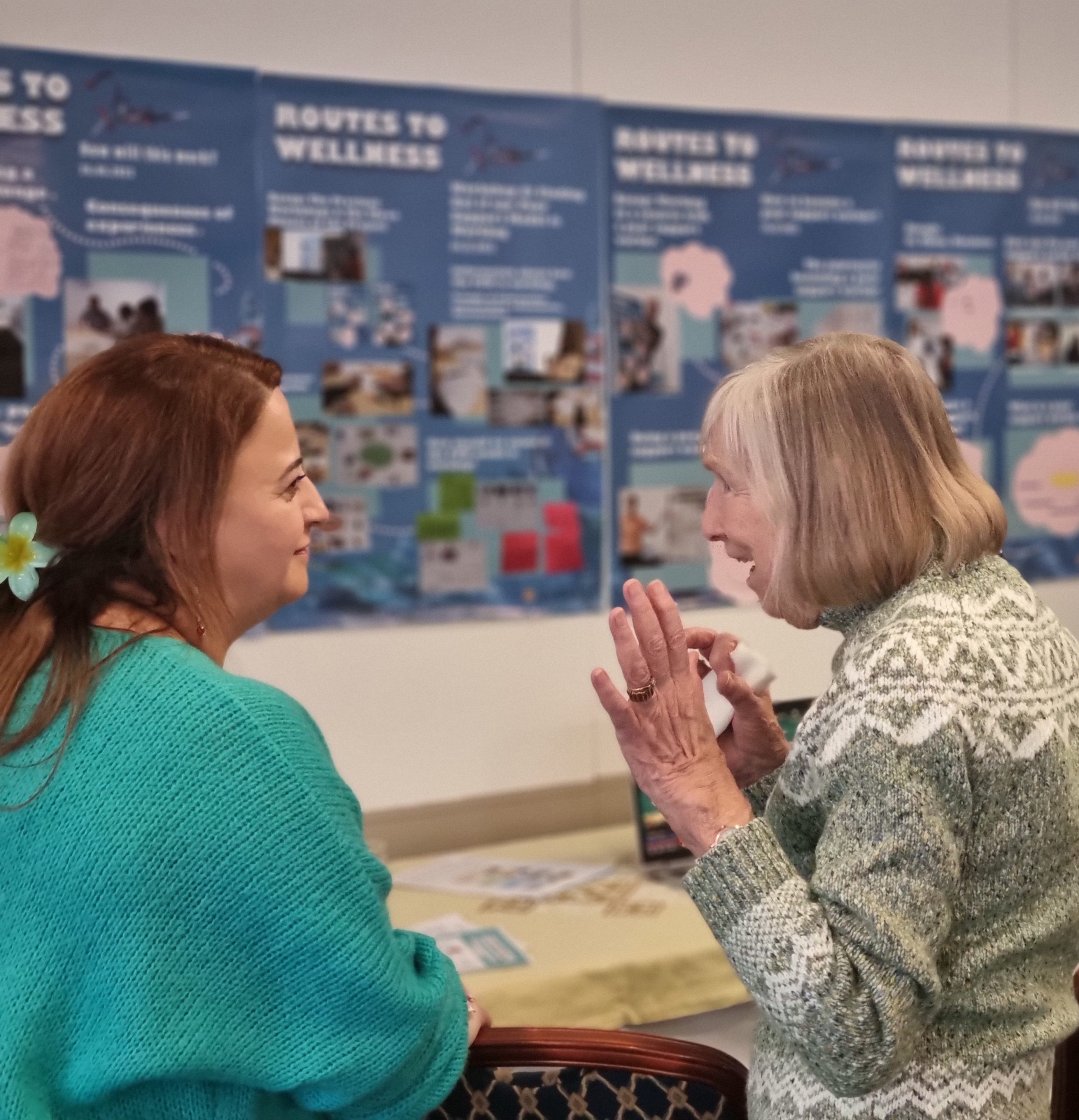
- Learning more about PenARC supported Routes to Wellness, a project that supported refugees and asylum seekers in Plymouth through community-based activities, illustrating how partnership extends beyond traditional research settings.
Across the room, conversations returned to a common theme: good research is collaborative, inclusive and grounded in lived experience.
A growing network
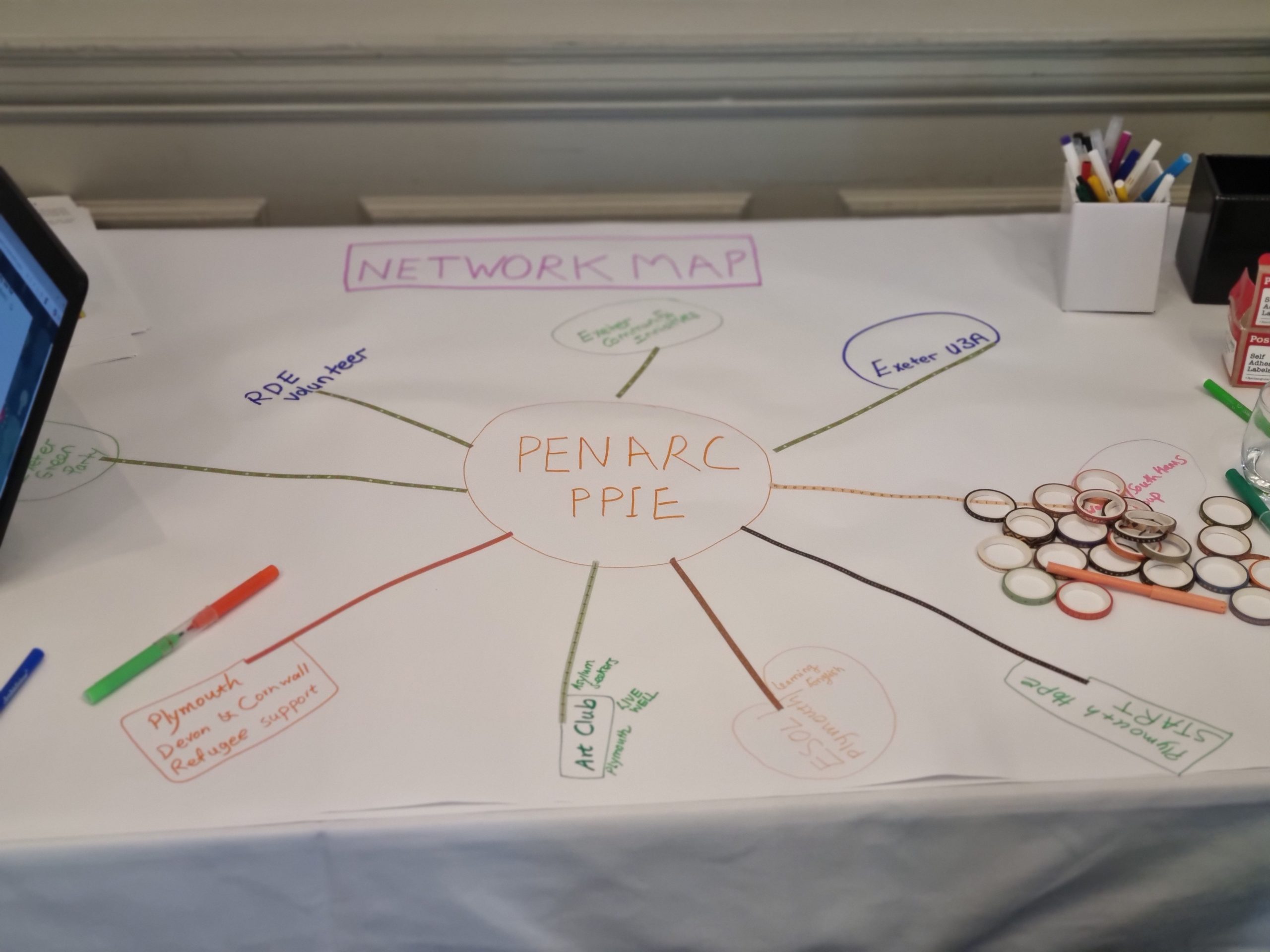
The PenARC PPIE network map on display was a powerful visual reminder of how far the network has grown – from early PenPIG meetings to a vibrant, diverse PenPEG community working across Exeter, Plymouth and beyond.
What once began as a small group of committed individuals has developed into a wide-reaching network embedded across projects, disciplines and regions.
Building on strong foundations
The event closed with a sense of momentum.
Five years of PenARC have demonstrated what can be achieved when research is rooted in partnership. ACR South West offers an opportunity not just to continue that work, but to deepen and broaden it – strengthening inclusion, addressing inequalities and ensuring that research continues to reflect what matters most to communities.
If there was one message that resonated throughout the day, it was this: Achieving impact starts with asking the right questions – and asking them together.
If you’re interested in getting involved in ARC South West’s PPIE work as we move into the next phase, we’d love to hear from you. Find out more here.